Why Professional Photography Still Matters in the Age of iPhones

And yet despite all of that professional photography still matters. Deeply.
In fact, the rise of the iPhone hasn’t made professional photography obsolete. It’s made it more valuable, more strategic, and more distinct than ever before.
This article isn’t about nostalgia or gatekeeping. It’s about clarity. About understanding what professional photography actually delivers in a world where “good enough” is easy and why businesses, brands, and serious creators still invest in professional images when they care about outcomes, not just aesthetics.
The Myth: “Phones Have Replaced Professional Cameras”
Let’s address the elephant in the room.
Yes, iPhones can take stunning images.
Yes, they’re more than capable for everyday use.
Yes, many viral images and even some magazine spreads have been shot on phones.
But that doesn’t mean phones have replaced professional photography any more than Canva replaced graphic designers or ChatGPT replaced writers.
What phones did was democratize access to photography not replicate the full professional process.
Smartphones excel at:
Speed
Convenience
Automation
Social media delivery
Professional photography excels at:
Control
Consistency
Intent
Reproducibility
Business outcomes
Those are not the same goals.
Photography Is More Than a Camera
One of the biggest misunderstandings about photography is the idea that the camera is the work. It isn’t.
Professional photography is a system:
Concept development
Lighting design
Lens choice
Color management
Composition strategy
Subject control
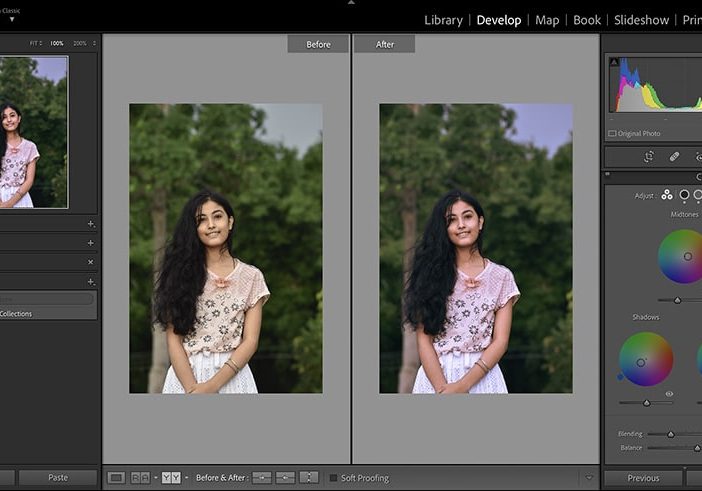
Post-production workflow
Output optimization for specific platforms
The camera is just the tool that executes the vision.
An iPhone can’t replace:
A lighting plan designed to shape glass, metal, liquid, or skin
The ability to repeat a look across 30 SKUs
Color accuracy that survives print, packaging, and web
A workflow that starts with brand intent and ends with sales
Computational Photography vs. Intentional Photography
Smartphones rely heavily on computational photography. When you press the shutter, the phone is:
Capturing multiple frames
Blending exposures
Applying tone curves
Guessing skin tones
Guessing what you want the photo to look like
This is incredible technology but it’s also interpretive.
Professional photography is intentional, not interpretive.
A professional decides:
Where highlights live
How shadows fall
What texture is emphasized
What color is neutral vs stylized
What emotional tone the image communicates
Phones guess. Professionals decide.
That distinction matters immensely when photography is being used to:
Sell a product
Represent a brand
Communicate trust
Justify pricing
Create long-term visual consistency
Consistency Is the Real Superpower
Here’s something rarely talked about: consistency.
A single great photo doesn’t build a brand. A consistent visual language does.
Professional photographers deliver:
Matching lighting across campaigns
Repeatable angles and compositions
Predictable color reproduction
Cohesive mood and tone
Images that work together, not just alone
iPhone photography struggles here because:
Lighting conditions constantly change
Software updates alter color science
Automatic processing varies image to image
Multiple people shooting creates inconsistency
For businesses, inconsistency erodes trust.
Consistency builds credibility.
When “Good Enough” Becomes Expensive
At first glance, using an iPhone feels cost-effective.
No shoot fee.
No studio.
No post-production invoice.
But “free” images often come with hidden costs:
Lower conversion rates
More customer questions
Higher return rates
Brand confusion
Missed emotional connection
Professional photography is not an expense it’s risk reduction.
When imagery is clear, honest, and intentional:
Customers buy with confidence
Marketing performs better
Sales cycles shorten
Brands feel established, not improvised
Lighting Is Still Everything
Professional photographers don’t just use light—they shape it:
Flags to control spill
Diffusion to soften highlights
Grids to add direction
Reflectors to sculpt shadows
Multiple light sources working in harmony
Lighting determines:
Perceived quality
Texture
Depth
Mood
Emotional response
Phones adapt to available light.
Professionals design light.
That difference is visible even when viewers can’t articulate why one image “feels” better.
Depth, Perspective, and Optical Truth
Phones simulate depth.
Professional lenses create it.
Computational blur is improving, but it still struggles with:
Complex edges
Glassware
Hair
Product details
Fine textures
Beyond blur, lenses affect:
Perspective compression
Subject separation
Spatial relationships
Edge integrity
These subtleties matter in commercial, editorial, and brand photography especially when images are viewed large, printed, or reused across campaigns.
Professional Photography Is Problem-Solving
Clients don’t hire photographers because they can press a button.
They hire photographers because they can:
Solve visual problems
Work under constraints
Adapt when things go wrong
Deliver under pressure
Make complex subjects look simple
A professional knows how to:
Photograph reflective objects
Control mixed lighting environments
Match existing brand assets
Work with difficult locations
Create clarity from chaos
That expertise doesn’t live in a phone.
Trust, Perception, and Brand Psychology
People make judgments fast. Sometimes in milliseconds.
Professional photography signals:
Stability
Investment
Seriousness
Attention to detail
Longevity
In competitive markets, perception is reality.
A brand using carefully crafted imagery communicates:
“We care about how we present ourselves and by extension, how we treat our customers.”
That message is difficult to achieve with casual, inconsistent visuals.
iPhones Are Incredible—But They’re Not Neutral
This is important: iPhones don’t produce neutral images. They produce pleasing images.
That’s perfect for:
Social media
Personal memories
Behind-the-scenes content
Authentic storytelling
But professional photography often needs:
Accurate color
Controlled contrast
Editable files
Neutral starting points
Long-term archival consistency
Phones bake decisions into the image.
Professionals deliver files designed for flexibility.
Professional Photography Has Evolved, Not Disappeared
Hybrid photo/video workflows
Faster turnaround
Integration with social platforms
Collaboration with in-house teams
Licensing across multiple mediums
Photographers aren’t just image-makers anymore.
They’re:
Visual strategists
Brand partners
Asset creators
Workflow designers
The value isn’t just the photo—it’s the thinking behind it.
Where iPhones and Professionals Work Best Together
This isn’t an “either/or” conversation.
The smartest brands use:
iPhones for speed, authenticity, and volume
Professionals for campaigns, launches, and cornerstone assets
Behind-the-scenes content builds trust.
Professional imagery builds authority.
When used intentionally, phones and professional photography complement each other beautifully.
The Future: Not Less Photography Better Photography
As cameras become more capable, the baseline rises.
That means:
Mediocre photography blends in
Thoughtful photography stands out
Professional photographers who succeed today aren’t competing with phones.
They’re competing on:
Vision
Consistency
Reliability
Strategic thinking
Experience
And those things are impossible to automate away.
Professional photography still matters, not because phones are bad, but because intent matters.
In a world flooded with images, the ones that are:
Thoughtful
Consistent
Purpose-driven
Emotionally clear
…are the ones that cut through the noise.
The iPhone made photography accessible.
Professional photography makes it meaningful.
And in business, branding and storytelling meaning still win.

